
ในยุคที่ผู้คนต้องการความรวดเร็วและความสะดวกสบาย การเล่นเกมพนันออนไลน์ได้กลายมาเป็นกิจกรรมยามว่างยอดนิยมในเวลาที่มีอย่างจำกัด หลายคนเกิดคำถามว่าควรสมัครเวปตรงไม่ผ่านเอเย่นต์เว็บไหนดี หรือกำลังมองหาเวปตรงที่ปลอดภัย จ่ายเงินจริง และไม่ผ่านเอเย่นต์ ดังนั้น เราจึงขอแนะนำทางเลือกที่ตอบโจทย์นักเดิมพันยุคใหม่ เพื่อมอบประสบการณ์พนันออนไลน์ที่ดีที่สุด
เว็บพนันออนไลน์ เวปตรงอันดับ 1 ประจำสัปดาห์

10 อันดับ เว็บพนันออนไลน์ไม่ผ่านเอเย่นต์ที่ดีที่สุด
เวปตรงไม่ผ่านเอเย่น หมายถึง เว็บไซต์ที่ให้บริการเกมพนันออนไลน์โดยไม่ผ่านตัวกลางหรือเอเย่นต์บริษัทใดบริษัทหนึ่ง เวปตรงเหล่านี้มักดำเนินการและบริหารงานเอง ได้รับใบอนุญาตอย่างถูกต้อง รวมถึงปลั๊กอิน API ของเกมจากบริษัทผู้พัฒนาเกมโดยตรง และนี่คือ 10 อันดับเว็บพนันออนไลน์ไม่ผ่านเอเย่นต์ที่เราประเมินแล้วว่าดีที่สุด
ข้อดีและข้อเสียในการเดิมพันกับเว็บรับพนันตรงฯ
ในการเดิมพันกับคาสิโนออนไลน์เว็บตรงนั้นมีข้อดีหลายประการ แต่ก็อาจมีข้อเสียอยู่บ้างเช่นกัน ดังนั้นเพื่อประกอบการตัดสินใจเลือกเว็บที่เหมาะกับคุณที่สุด เราขอระบุเป็นข้อ ๆ ดังนี้
ข้อดี:
- มีระบบการเงินที่มั่นคง จ่ายจริง ไม่มีการฉ้อโกง หรือหักค่าธรรมเนียมใด ๆ ทั้งสิ้น
- มีช่องทางฝาก-ถอนให้เลือกหลากหลายตามความสะดวกของสมาชิก
- มีความน่าเชื่อถือ โปร่งใส และได้รับการตรวจสอบจากหน่วยงานที่ออกใบอนุญาตอยู่เสมอ
- มีทีมบริการลูกค้าที่เป็นมืออาชีพ และให้บริการตลอด 24 ชั่วโมง
ข้อเสีย:
- มีขั้นตอนการสมัครสมาชิกที่ยุ่งยากกว่า เนื่องจากต้องกรอกข้อมูลส่วนตัวให้ครบ และอาจต้องมีการยืนยันตัวตนตามข้อบังคับของหน่วยงานที่ออกใบอนุญาต
- มีการล็อกอิน 2 ชั้น ซึ่งนักพนันหลายคนอาจมองว่ายุ่งยาก แต่ต้องเข้าใจว่าระบบนี้ถูกออกแบบมาเพื่อเพิ่มความปลอดภัยให้กับบัญชีของสมาชิกเป็นหลัก
เล่นเกมอะไรได้บ้างบนเว็บพนันตรงไม่ผ่านเอเย่นต์?
เว็บพนันออนไลน์ เว็บตรงไม่ผ่านเอเย่นต์ มักมีเกมพนันออนไลน์ให้เลือกเล่นมากมาย ซึ่งเกมยอดนิยมที่มักพบได้บนเว็บเหล่านี้ ได้แก่
แทงบอลออนไลน์
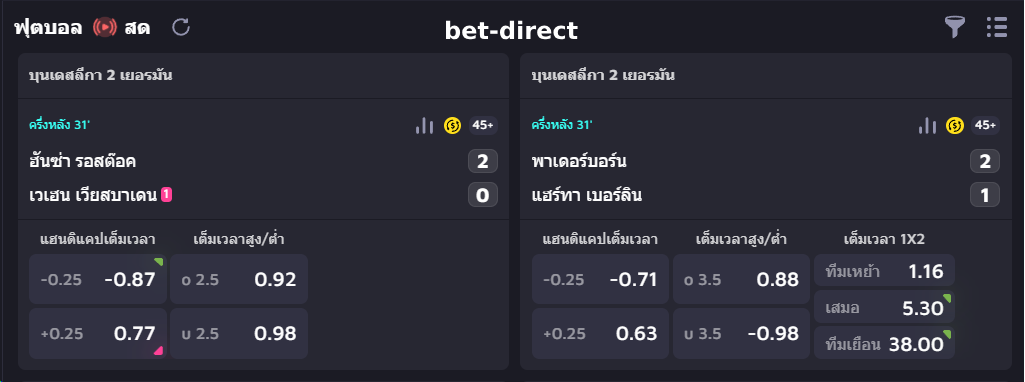
- โอกาสชนะ: ขึ้นอยู่กับทีมที่เลือกเดิมพัน รูปแบบการแทง อัตราต่อรอง และความรู้ความเข้าใจในกีฬาฟุตบอล
- ฟีเจอร์เด่น: มีหลายลีก หลายคู่ให้เลือกเดิมพันจากทั่วโลก รับชมสดได้ ดูผลบอลได้ วิเคราะห์ข้อมูลสถิติย้อนหลังได้ และขายบิลเดิมพันก่อนจบการแข่งขันได้
- เว็บที่สามารถเล่นได้: 188BET, ALPHA88, JBO, W88, 12BET, KAPOOK888, M88, we88, FUN88, BK8
สล็อตออนไลน์

- โอกาสชนะ: ขึ้นอยู่กับเกมที่เลือก ค่า RTP ความผันผวน ลักษณะการจ่ายรางวัล และดวงของนักพนันเอง
- ฟีเจอร์เด่น: เล่นง่าย ใช้เวลาไม่นาน มีรูปแบบธีมหลากหลาย มีฟรีสปิน เกมโบนัส ฟีเจอร์ซื้อฟรีสปินหรือเกมโบนัส และมีรางวัลแจ็คพอตก้อนใหญ่
- เว็บที่สามารถเล่นได้: 188BET, ALPHA88, JBO, W88, 12BET, KAPOOK888, M88, we88, FUN88, BK8, HappyLUKE
บาคาร่าสด
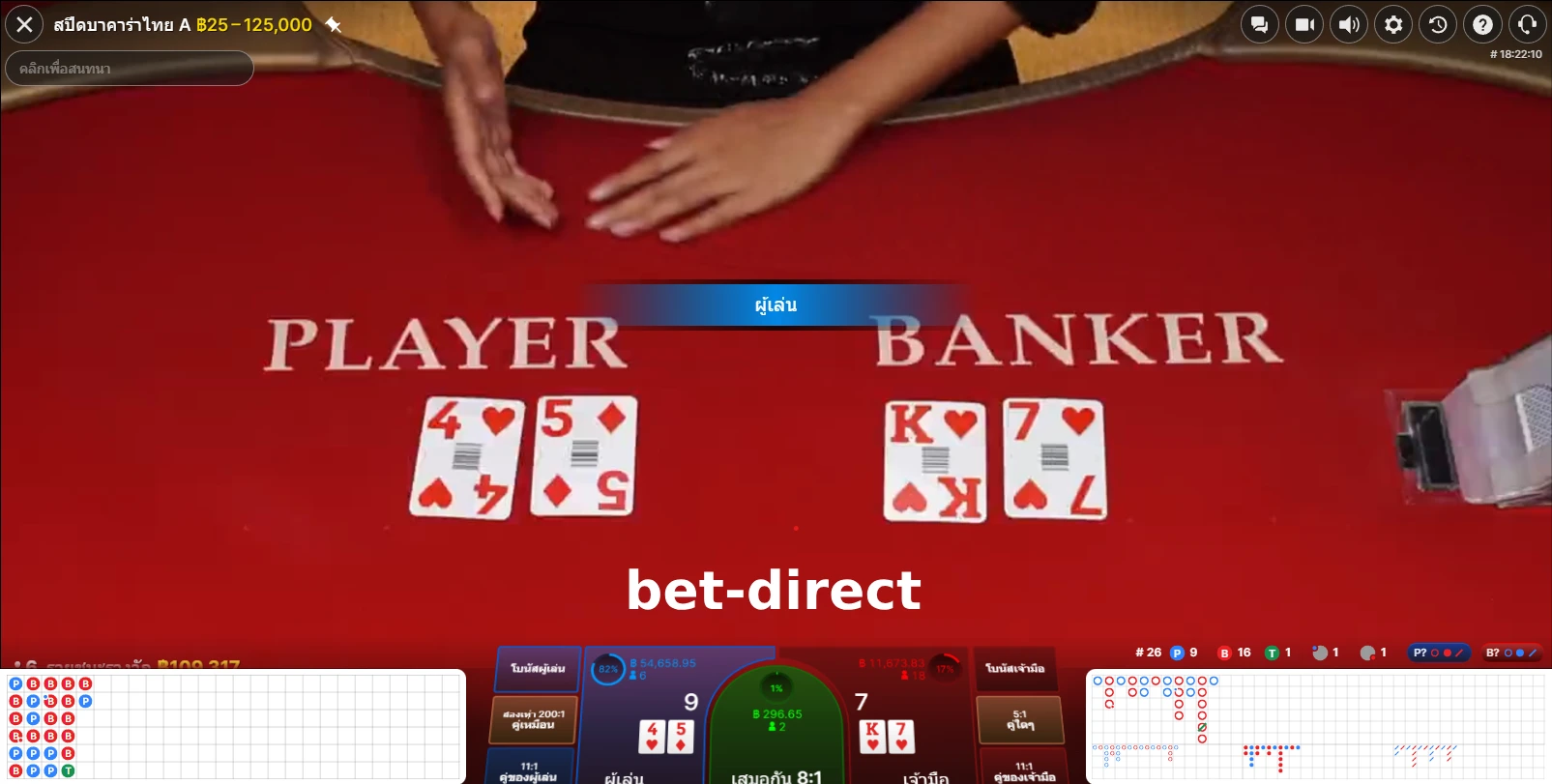
- โอกาสชนะ: ขึ้นอยู่กับผลไพ่ที่ออก สูตรการแทง และดวงของนักพนันเอง
- ฟีเจอร์เด่น: มีจำนวนห้องและธีมของแต่ละห้องให้เลือกหลายแบบ มีสถิติเพื่อแสดงเค้าไพ่ให้นักวิเคราะห์ได้หากลยุทธ์เดิมพันที่เหมาะกับตนเอง ได้เล่นสดกับดีลเลอร์และนักเดิมพันคนอื่น ๆ
- เว็บที่สามารถเล่นได้: 188BET, ALPHA88, JBO, W88, 12BET, KAPOOK888, M88, we88, FUN88, BK8, HappyLUKE
วิธีสมัครเว็บตรงไม่ผ่านเอเย่นต์ ขั้นตอนแบบง่ายๆ
สมัครเว็บพนันออนไลน์ เว็บตรงอันดับ 1 ง่าย ๆ เพียง 3 ขั้นตอน เพื่อลุ้นโบนัส แจ็คพอตรางวัลใหญ่มากมาย ดังนี้
1. เลือกเว็บตรง ไม่ผ่านเอเย่นต์จากเรา
เว็บไซต์ของเราได้มีการรวบรวมและจัดอันดับเว็บตรงไม่ผ่านเอเย่นต์ที่น่าเชื่อถือ มีใบอนุญาตถูกต้อง จ่ายจริง และได้รับการรับรอง ซึ่งมีเว็บให้เลือกมากมาย หลากหลายแบบ ที่คัดสรรมาเฉพาะเว็บคุณภาพดี ตอบโจทย์ทุกความต้องการ และมีการรีวิวจากผู้ใช้งานจริง
2. สมัครสมาชิก
คลิกปุ่ม “สมัครสมาชิก” หรือ “ลงทะเบียน” บนเว็บที่เลือก จากนั้นกรอกข้อมูลส่วนตัว เช่น ชื่อ เบอร์โทรศัพท์ อีเมล รหัสผ่าน ที่อยู่ เลือกธนาคารสำหรับฝาก-ถอนเงิน ยอมรับเงื่อนไขและข้อตกลงของทางเว็บ ตรวจสอบข้อมูลอีกครั้ง และยืนยันการสมัคร
3. ฝากเงิน รับโบนัส และเริ่มเดิมพัน
เลือกวิธีการฝากเงินที่สะดวก กดรับโบนัสในขั้นตอนการฝากเงิน หรือบางเว็บ/โปรโมชันอาจให้ฝากเงินจนเสร็จก่อน แล้วจึงมาแจ้งรับโบนัสกับทางทีมบริการลูกค้า หลังจากยอดเครดิตเข้าบัญชีแล้ว ให้เงินเลือกเกมที่ต้องการเดิมพัน วางเดิมพัน และลุ้นรางวัลได้เลย
เทคนิครับโบนัสจากคาสิโนออนไลน์เว็บตรง
ถึงแม้ว่าแต่ละเว็บจะออกโบนัสที่น่าสนใจมากมาย แต่ก็ไม่ใช่ว่าโบนัสทุกอย่างนักพนันทุกคนจะสามารถรับได้ทั้งหมด ดังนั้นเราจึงเตรียมเทคนิคดี ๆ ในการรับโบนัสจากคาสิโนเว็บตรงมาฝากดังนี้
- เทคนิคข้อที่ 1 เลือกเว็บคาสิโนที่มีโบนัสหลากหลาย
เว็บคาสิโนที่ดีมักมีโบนัสให้เลือกหลากหลาย เช่น โบนัสต้อนรับ โบนัสฝากเงิน โบนัสคืนเงิน โบนัสฟรีสปิน โบนัสคืนยอดเสีย ฯลฯ ควรเลือกเว็บที่มีโบนัสที่ตรงกับสไตล์การเดิมพันของคุณ
- เทคนิคข้อที่ 2 ศึกษากฎกติกาและเงื่อนไขอย่างละเอียด
แต่ละโบนัสมีกฎกติกาและเงื่อนไข (T&C) ที่แตกต่างกัน เช่น เงื่อนไขการฝาก โบนัสสูงสุดที่รับได้ ยอดเทิร์นโอเวอร์ ระยะเวลาของโบนัส ไปจนถึงเงื่อนไขการถอน จึงควรศึกษาข้อมูลอย่างละเอียดและวิเคราะห์ให้ได้ว่าเงื่อนไขของโบนัสแบบไหนที่คุ้มค่าที่สุด
- เทคนิคข้อที่ 3 เปรียบเทียบโบนัสแต่ละประเภทก่อนตัดสินใจรับข้อเสนอ
เปรียบเทียบความคุ้มค่าของโบนัสแต่ละประเภท หรือถึงแม้จะเป็นประเภทเดียวกัน ก็ต้องมาเปรียบเทียบต่ออีกว่า เว็บไหนจะให้ข้อเสนอที่โดนใจที่สุด ซึ่งควรเลือกโบนัสที่มีข้อเสนอที่ดีที่สุดและคุ้มค่าที่สุด
- เทคนิคข้อที่ 4 สอบถามข้อมูลเพิ่มเติมจากทีมบริการลูกค้า
หากมีข้อสงสัย หรือต้องการข้อมูลเพิ่มเติมเกี่ยวกับโบนัส สามารถติดต่อสอบถามทีมบริการลูกค้าของเว็บคาสิโนได้โดยตรงตามช่องทางติดต่อที่สะดวก โดยทีมบริการลูกค้าจะให้ข้อมูล คำแนะนำ และความช่วยเหลือเกี่ยวกับโบนัสและปัญหาต่าง ๆ ที่เกี่ยวข้องได้อย่างมีประสิทธิภาพ
- เทคนิคข้อที่ 5 ติดตามข่าวสารโบนัสและโปรโมชันขอทางเว็บอยู่เสมอ
ติดตามข่าวสารโบนัสและโปรโมชันต่าง ๆ ของทางเว็บคาสิโนอย่างสม่ำเสมอ เพื่อเพิ่มโอกาสรับโบนัสพิเศษ เสนอพิเศษต่าง ๆ ได้อย่างทันท่วงที เพราะโบนัสบางประเภทมีการจำกัดระยะเวลาที่ค่อนข้างสั้น เช่น 1-2 ชั่วโมง หรือ 2-3 วัน เป็นต้น